Human Arterial Circulatory System Anatomy Of Human Body Vector Biology Diagrams Arteries make up a major part of the circulatory system, with the veins and heart being the other main components. Arteries make up tubelike structures responsible for transporting fluid (i.e., blood for the circulatory system and lymph for the lymphatic system) to and from every organ in the body. Mainly, arteries manage the transportation of oxygen, nutrients, and hormones through our bodies
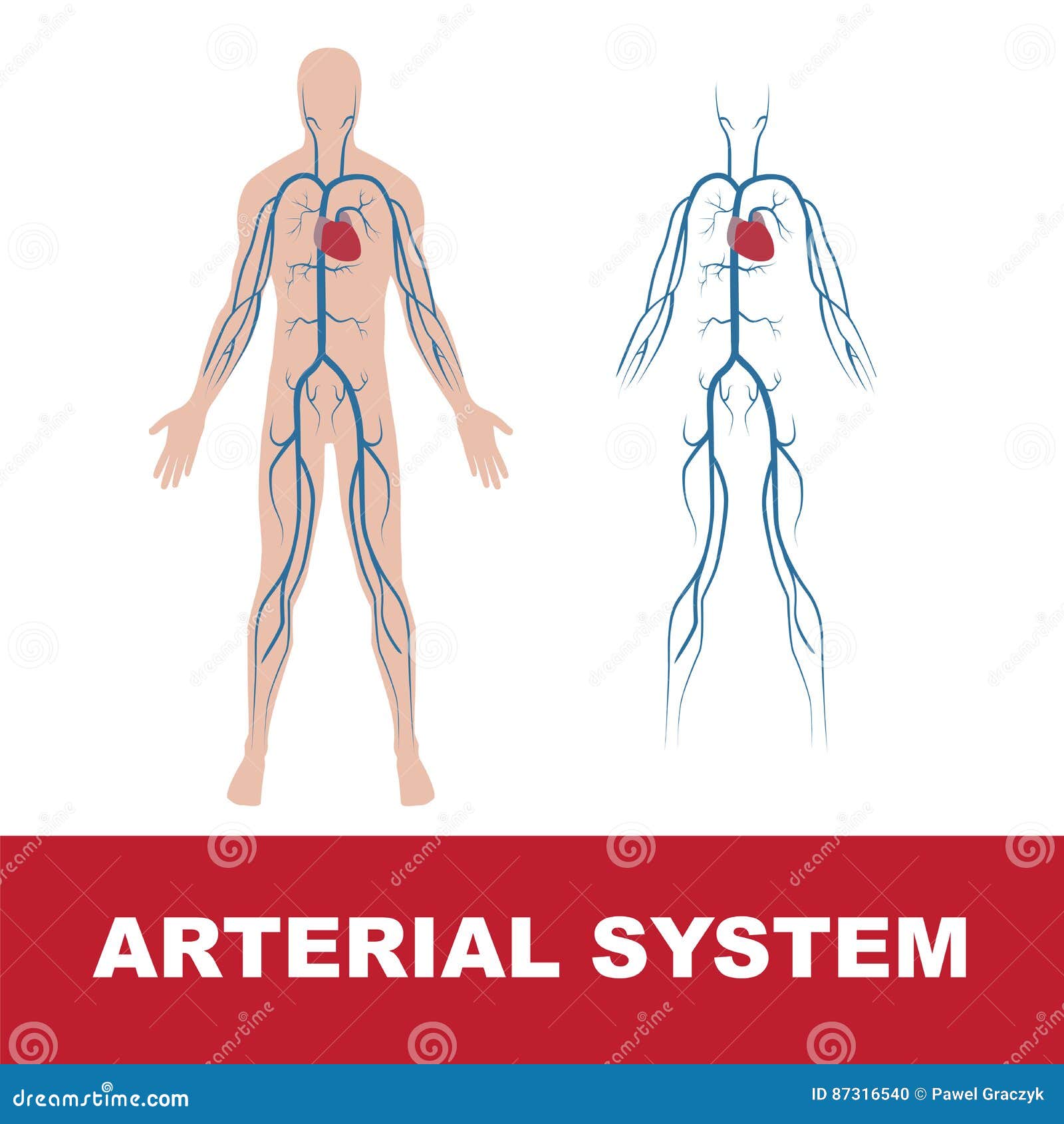
This is a list of arteries of the human body.. The aorta; The arteries of the head and neck. The common carotid artery. The external carotid artery; The triangles of the neck; The internal carotid artery; The arteries of the brain; The arteries of the upper extremity The subclavian artery; The axilla. The axillary artery; The brachial artery; The radial artery; The ulnar artery The first aortic branches are your coronary arteries, which nourish your heart muscle. Many more arteries branch off your aorta as it travels through your chest and belly. Ultimately, your aorta splits (bifurcates) into two terminal branches called your iliac arteries. Your aorta and your iliac arteries form an upside-down Y near your belly button. The aorta, the largest artery in our body, exemplifies this type. - Muscular Arteries: Found farther from the heart, these arteries contain more smooth muscle tissue and fewer elastic fibers. They regulate blood flow to specific organs and regions. ### 2. Artery Wall Layers. The walls of arteries consist of three distinct layers:
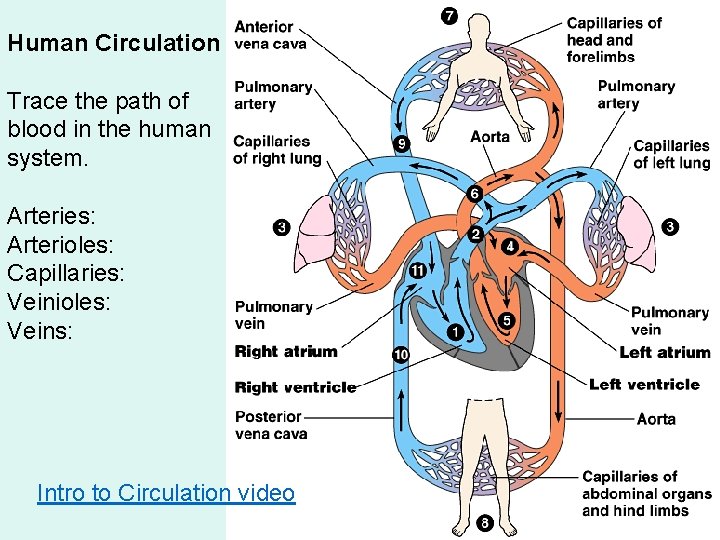
Arteries of the Body: Picture, Anatomy, Definition & More Biology Diagrams
The intercostal arteries are a pair of arteries on either side of the body that send blood to various areas of the torso, including the vertebrae, spinal cord, back muscles, and skin. Superior
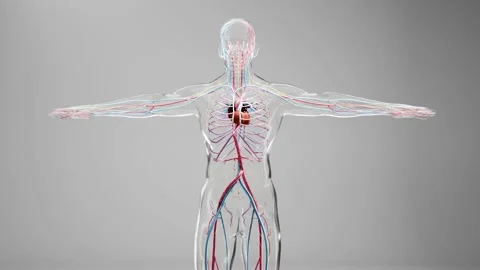
Your circulatory system, or cardiovascular system, supplies oxygen and nutrients to your whole body and removes waste through your blood. Your heart pumps blood that flows through your arteries, veins and capillaries. These blood vessels and your heart form your circulatory system. They work together to ensure your cells have what they need. The blood circulatory system (cardiovascular system) delivers nutrients and oxygen to all cells in the body. It consists of the heart and the blood vessels running through the entire body. The arteries carry blood away from the heart; the veins carry it back to the heart. The system of blood vessels resembles a tree: The "trunk" - the main artery (aorta) - branches into large arteries Arteries, part of your circulatory (cardiovascular) system, are the blood vessels that bring oxygen-rich blood from your heart to all of your body's cells. They play a crucial role in distributing oxygen, nutrients and hormones throughout your body. Arteries keep your body alive and healthy by delivering what your cells and tissues need.
